
Mortgage Basics
Should you port your mortgage or get a new deal when you move?
 By Sol Tourgeman, mortgage broker
On this page
If you're planning a move and you're part way through a fixed rate, you have a decision to make. Do you take your current mortgage with you, or pay it off and start again with a new deal?
With average fixed rates hovering around the 6% mark at the moment, plenty of homeowners are sitting on rates well below what's available today. Give that rate up unnecessarily and the cost of moving jumps. Here's how porting works, when it makes sense, and when a fresh deal is the better route.
What does porting a mortgage mean?
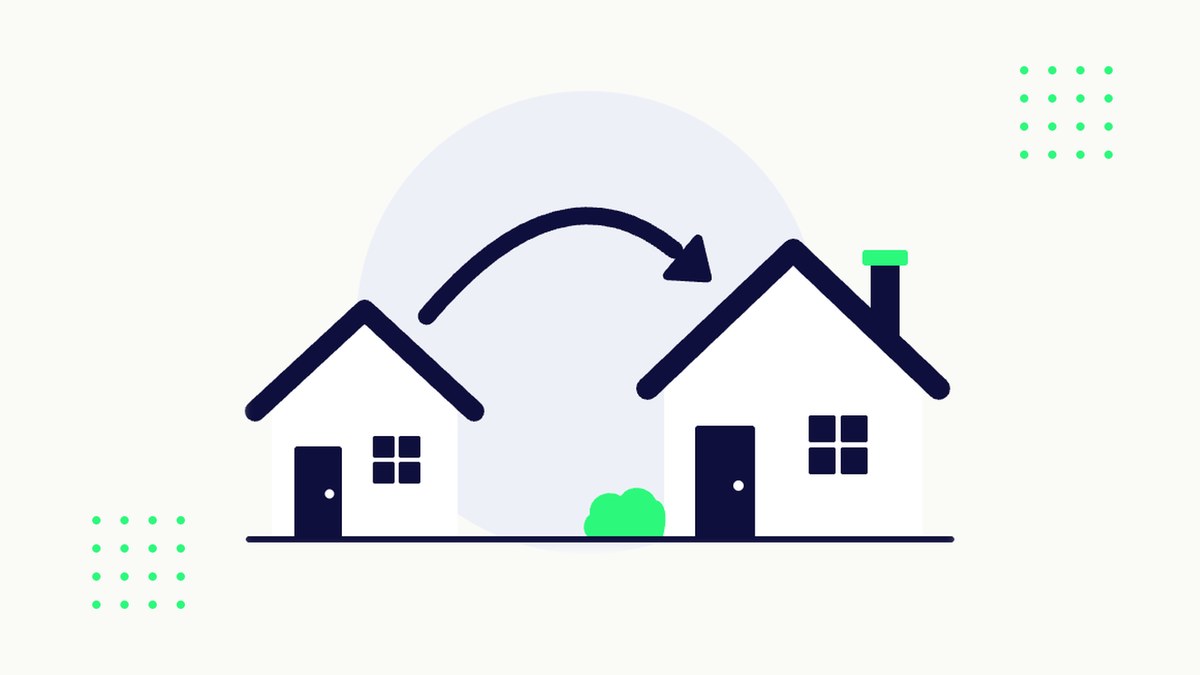
Porting means taking your existing mortgage product, including its interest rate and remaining term on that deal, and moving it to a new property.
You're not literally transferring the mortgage from one house to another. You repay the old mortgage when you sell, and the lender sets up a new one on the property you're buying, on the same product terms. Most residential mortgages are portable, but it's a feature of the product rather than a right, so check your offer paperwork.
The big attraction is avoiding early repayment charges. If you're still inside your fixed rate period, repaying the mortgage usually triggers an early repayment charge, typically between 1% and 5% of the balance. On a £300,000 mortgage that can mean £3,000 to £15,000. Porting lets you move without paying it.
Do you have to reapply when you port?
Yes, and this is the part that catches people out. Porting is a full new application. The lender will reassess your income, outgoings and credit position, and value the new property, just as they would for any new borrower.
That means porting isn't guaranteed, even with a spotless payment record. If your circumstances have changed since you took the mortgage out, perhaps you've gone self-employed, had children, or taken on new credit commitments, the lender might not agree to lend the same amount. Criteria change too. If porting is going to be difficult, you want to know before you've had an offer accepted, not after.
When does porting make sense?
Porting tends to win in two situations.
The first is when your current rate is lower than anything you could get today. If you fixed at 4% and similar deals are now closer to 6%, keeping that rate for the rest of the fixed period is worth real money every month.
The second is when you'd face a chunky early repayment charge by switching. Even if new deals are competitive, a 5% charge on the way out takes a long time to claw back through a slightly lower rate.
When both apply, porting is usually the clear favourite. The maths still needs doing properly though, because fees, the new property price and how long is left on your deal all shift the answer.
What if you need to borrow more for the new home?
Most people moving up buy somewhere more expensive, so the ported mortgage alone often isn't enough.
Lenders handle this with top-up borrowing. Your existing balance stays on its current rate, and the extra amount goes on a new product from the lender's current range. You end up with two parts to your mortgage, each with its own rate and its own end date.
That blended arrangement works well, but it needs managing. If the two parts finish at different times, you can find yourself stuck later, unable to switch the whole mortgage without triggering a charge on one part of it. Lining up the end dates where possible, or at least going in with a plan for them, saves headaches down the line.
The top-up is also priced by your new lender only. If their current range isn't competitive, you're paying over the odds on the new borrowing, which changes the overall sums.
When is a new deal the better option?
Porting isn't always the answer. A fresh start can work out better when:
- Your current rate is no better than what's available now, so there's little to protect
- Your early repayment charge is small, or your deal ends soon enough to time the move around it
- Your lender won't lend what you need for the new property, but another lender will
- The new property doesn't fit your lender's criteria, which can happen with flats above shops, high-rise blocks, annexes or unusual construction
- Another lender's deal is so much better that it beats your ported rate even after paying the charge
That last one needs careful working out. You're comparing the full cost over the deal period, including the early repayment charge, arrangement fees and both interest rates. It's exactly the kind of comparison a broker runs daily, across the whole market.
What if you sell before you buy?
Chains break, and sometimes selling and buying don't line up. Many lenders allow a gap between repaying your old mortgage and porting to the new property, often up to around three to six months. You pay the early repayment charge when you redeem, then the lender refunds it once the port completes within the window.
The rules differ from lender to lender, so if there's any chance of a gap, check the terms early. Miss the window and the refund disappears.
How we can help
Port or switch is rarely obvious from the outside. It depends on your current rate, your early repayment charge, how much more you need to borrow, and what the whole market is offering.
We run those numbers for home movers across North London, Hertfordshire and the rest of the UK, and we'll tell you plainly which route costs less. If a port is right, we'll handle the application and the top-up. If it isn't, we'll find the deal that beats it.
Email solomon@kudosmortgages.com or book a free call and we'll talk through your move.
Frequently asked questions
Does porting a mortgage cost anything?
You avoid the early repayment charge, but there can still be costs: a valuation on the new property, possibly an arrangement fee on any top-up borrowing, plus the usual legal fees, stamp duty and moving costs. Some lenders cover the valuation.
Can I port my mortgage if I'm downsizing?
Usually, yes. If you need a smaller mortgage after the move, you'll normally pay an early repayment charge on the portion you repay, but not on the amount you port. The lender will also check the reduced loan still fits their criteria.
Can I port to a different lender?
No. Porting only works with your current lender. Moving to a different lender means repaying your existing mortgage, paying any early repayment charge, and applying for a brand new deal.
How long does porting take?
Treat it like a normal mortgage application, so allow several weeks. Starting the conversation as soon as you're thinking about moving gives you time to deal with any surprises in affordability or criteria.
Will I definitely get the same rate when I port?
You keep the same product terms for the amount you port, for the time left on that deal. Any extra borrowing is priced at current rates, so your overall average rate will usually be a blend of the two.
Moving home and not sure whether to port?
Book a free call. We'll talk through your situation, explain your options, and help you decide on the best path forward.
Book a free callYour home may be repossessed if you do not keep up repayments on a mortgage secured against it.